Recycling & Sustainability for Gardeners Covent Garden
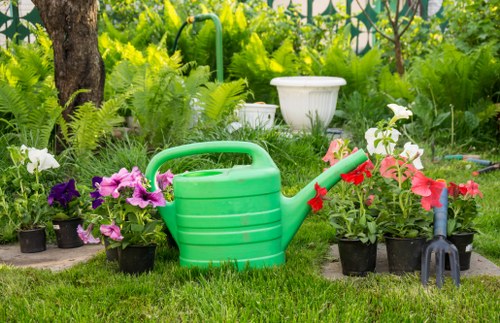 Welcome to the sustainability page for Gardeners Covent Garden, where our day-to-day work in the eco-friendly waste disposal area of Covent Garden meets pragmatic circular-economy practice. We manage a dedicated sustainable rubbish gardening area that supports local green spaces while reducing landfill. Our focus is simple: reduce, reuse and recycle as much garden material as possible while keeping operations suitable for a dense urban neighbourhood.
Our Covent Garden gardening team operates within the boroughs' practical waste separation systems — typically a mix of organics collection, mixed recycling and residual waste streams — and we design onsite flows to align with those schemes. The aim is to make separation intuitive for crews and to protect soil, plants and reusable materials: pots, timber and compost are given a second life wherever possible.
 We have set a clear recycling percentage target to drive progress: 70% of all garden waste and associated materials diverted from landfill by 2030. This target covers green waste, woody material, soil reuse, pots, metal fittings and clean timber. To reach it we monitor tonnages and composition, and report improvement milestones annually to stakeholders and community partners.
How the eco-friendly waste disposal area works
Our sustainable rubbish gardening area is arranged to separate streams on arrival: green waste (leaves, prunings, grass), woody material (branches and larger cuttings), soil and compostable potting medium, plus recyclables like plastic plant pots, metal stakes and cardboard. We prioritise onsite reuse: shredded wood becomes mulch, composted material is screened and returned to beds, and soil is tested and remediated rather than discarded.
We coordinate collections with the boroughs' approach to waste separation and take advantage of their schemes for materials that must be taken offsite. That includes segregating food-contaminated waste from clean green waste and ensuring mixed recycling is free from contamination before transfer to local facilities.
 Typical items we divert include:
- Green waste: leaves, prunings, grass cuttings for compost and mulch
- Wood and timber: chipped for paths and mulching
- Containers and pots: cleaned and reused or sent to specialist recycling
- Metal and glass: sorted and sent to local recycling streams
- Cardboard and paper: baled for borough mixed recycling
Local transfer stations and logistics
We work closely with nearby transfer stations and civic amenity sites across central London — engaging facilities in neighbouring boroughs such as Westminster, Camden and surrounding councils to ensure correct onward processing. Using trusted transfer points reduces double-handling and improves the chance that materials reach specialist processors for composting or material recovery rather than disposal.
Route optimisation and consolidated drop-offs are central to our low-carbon strategy. By combining loads and scheduling visits to local transfer hubs, we reduce vehicle miles and improve the efficiency of each van trip while easing pressure on busy urban roads.
Gardeners in Covent Garden also use smaller transfer partnerships when appropriate: community compost hubs, soil-banking schemes and licensed processors who accept contaminated or mixed loads that cannot be returned to our onsite system.
Partnerships with charities and community organisations
Part of our sustainability model is redistribution. We maintain active relationships with local charities, social enterprises and community groups that benefit from plant donations, reclaimed pots, clean soil and surplus timber. These reuse partnerships reduce waste, support social value and create green jobs.
Examples of collaboration include working with plant rescue networks, tool libraries, and community gardening projects that accept rescued materials and help extend the lifecycle of equipment and soil. We also partner with composting co-ops and community food initiatives to redirect compost and woody mulch where it will be used most effectively.
These partnerships are essential to meeting our recycling percentage target because they provide local outlets for quality reusable materials and encourage community engagement in sustainable gardening practices.
Transitioning to a low-carbon fleet is a major part of our commitment. We operate a mix of low-emission vans and electric vehicles, supplemented by cargo bikes for small deliveries and collections in pedestrianised parts of Covent Garden. Our fleet management emphasises charging infrastructure, reduced idling, and driver training to minimise fuel consumption and emissions.
 In addition to vehicle upgrades, we implement operational measures such as vehicle consolidation, timed collections to avoid peak-hour traffic, and digital scheduling to keep routes efficient. Combined, these measures lower the carbon footprint of garden waste handling and make the sustainable rubbish gardening area more effective.
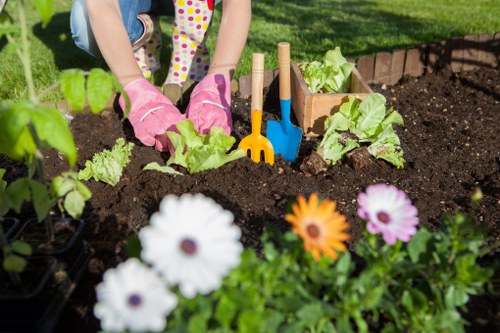 Our pledge is straightforward: Gardeners' Covent Garden will continue improving waste diversion rates, expanding partnerships with charities and community projects, and investing in low-carbon logistics. We aim to be a model of urban gardening sustainability by maintaining transparent targets, sharing best practices with neighbouring teams, and keeping the streets and green spaces of Covent Garden healthy for everyone.

