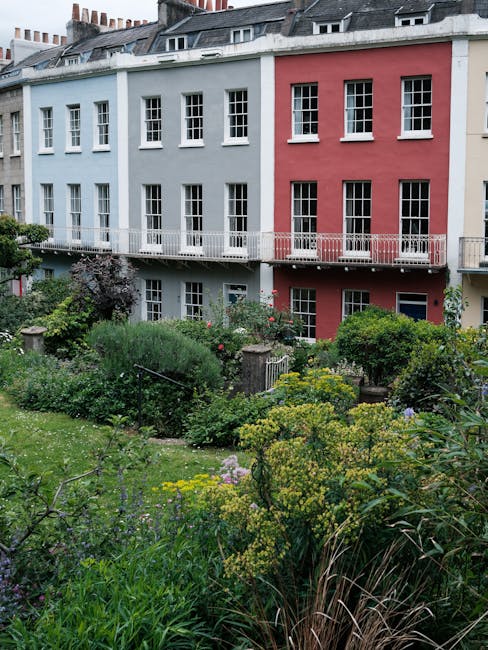
Neals Yard gardeners expert small courtyard garden care: a practical guide for compact outdoor spaces
If you have a small courtyard, you already know the charm and the challenge. One minute it feels like a private pocket of calm; the next, it's a cramped corner where pots dry out, leaves gather in odd places, and one neglected weekend can make the whole space look tired. That's where Neals Yard gardeners expert small courtyard garden care comes in. In a tight urban space, good gardening is less about doing more and more about doing the right things, in the right order, with proper attention to detail.
This guide breaks down how expert courtyard garden care works, why it matters, what professionals actually focus on, and how you can make better decisions whether you're improving a tiny paved garden, a shared mews space, or a tucked-away courtyard that needs regular upkeep.
Why Neals Yard gardeners expert small courtyard garden care Matters
Small courtyard gardens look simple from the outside. They are not. In fact, compact spaces often need more thought than larger gardens because every square metre has to earn its keep. A courtyard can't hide messy edges, soggy pots, leggy shrubs, or poor drainage. You notice everything straight away. So does everyone else.
Expert care matters because the usual garden rules shift a bit in a courtyard. Sun can bounce off walls and overheat containers. Shade can stay damp for too long. Wind funnels down narrow gaps between buildings. Roots may have limited soil, and hard surfaces can make the space feel harsh if planting is not balanced properly. The result? A garden that either feels unfinished or becomes hard work to maintain.
For many London homes, small gardens are a big part of daily life. They are where people drink tea on a grey morning, step out for fresh air in a busy afternoon, or try to make sense of a little green corner after a long week. Proper care keeps that space working. And truth be told, a well-kept courtyard can feel much bigger than it is.
Expert summary: courtyard garden care is about controlling scale, light, water, and structure. When those four things are balanced, even the smallest outdoor space can feel calm, usable, and quietly elegant.
If you are working with a professional team, it helps to choose gardeners who understand both maintenance and design. A service that combines routine upkeep with broader planning is often more effective than a quick tidy-up alone. That is one reason many homeowners look beyond basic mowing or pruning and instead review a broader service range such as garden services overview and ongoing garden maintenance.
How Neals Yard gardeners expert small courtyard garden care Works
Good courtyard care starts with observation. Before anything is cut, cleared, repotted, or redesigned, an experienced gardener will usually assess how the space behaves across the day. Where does the morning sun fall? Which corners stay damp? Are there signs of compaction, poor drainage, or plants that simply never settled in?
From there, the work usually falls into a few practical layers:
- Structure: keeping paths, pots, beds, walls, and any timber features neat and balanced.
- Plant health: pruning, feeding, watering, and replacing specimens that have outgrown the space or declined.
- Surface care: removing moss, leaf litter, and debris so the courtyard stays safe and tidy.
- Seasonal change: adjusting planting and maintenance routines as light, rainfall, and temperature shift.
- Space planning: avoiding overcrowding and making sure the garden still feels open, not boxed in.
The process is rarely dramatic. That's the point. Expert small courtyard care is usually about small, steady improvements that add up: better pruning cuts, cleaner edges, better pot placement, less clutter, and healthier planting choices. A little less guesswork. A little more rhythm.
In a compact garden, timing matters too. Work done in late winter can prepare the space for spring growth. Mid-summer care tends to be about watering discipline and cutting back after flowering. Autumn is all about clearing, protecting, and preventing the space from becoming a damp, slippery mess. London weather keeps gardeners honest, doesn't it?
Key Benefits and Practical Advantages
There are obvious visual benefits to courtyard garden care, but the practical wins are often more valuable day to day. A well-managed space is easier to enjoy, easier to clean, and less likely to develop problems that cost more to fix later.
- Better use of space: careful planting and layout make small gardens feel larger and more intentional.
- Healthier plants: the right pruning and watering approach reduces stress on container and border plants.
- Cleaner appearance: tidy edges, controlled growth, and regular clearance stop the space looking neglected.
- Improved safety: reduced moss, clutter, and uneven growth can help prevent slips and trips.
- Less maintenance stress: a sensible routine prevents the classic "it all went wild while I was busy" moment.
- More privacy and comfort: well-chosen screening plants or climbing features can make the courtyard feel more secluded.
There's also a quiet emotional benefit. People often underestimate how much a small outside space affects the feel of a home. When a courtyard is neat, green, and easy to step into, it changes the mood of the whole place. You open the door and think, yes, this is usable. This is mine.
For some properties, especially those with decking, hard landscaping, or a mix of paving and planting, the benefit is partly about keeping everything working together. If timber features are already in place, it can be useful to look at decking services alongside planting and maintenance so the whole courtyard feels coherent rather than patched together.
Who This Is For and When It Makes Sense
Not every small garden needs the same level of care, but there are a few situations where expert courtyard maintenance makes especially good sense.
Homeowners with limited time
If you want the garden to look good without spending every Saturday morning on it, regular care is the smart move. Small courtyards can deteriorate quickly when left alone, mainly because there is nowhere for overgrowth to disappear. It shows immediately.
Landlords and property managers
Courtyards are often visible first impression spaces. If the garden looks neglected, the whole property feels less polished. Routine care helps protect presentation and, in many cases, avoids larger seasonal clean-ups.
People living with mature planting in tight spaces
Established shrubs, climbers, or small trees can look wonderful in a courtyard, but they need more judgement than standard garden plants. A little pruning at the wrong time can affect shape, flowering, or privacy. This is where experience pays off.
Anyone planning a refresh
If the space feels tired, you may need more than maintenance. You might need layout changes, new containers, improved drainage, or a rethink of the planting palette. In those cases, gardeners with broader landscape gardening and landscaping experience are usually better placed to advise.
Sometimes the trigger is seasonal rather than dramatic. A spring reset, an autumn tidy, or a pre-event refresh can be enough. Other times, the garden has become a bit of a jungle in miniature. Happens to the best of us.
Step-by-Step Guidance
If you want to understand how a professional approach unfolds, here is a practical step-by-step outline. It is not a rigid formula, because every courtyard has quirks, but it gives you a good sense of the flow.
- Assess the space. Look at light, shade, drainage, current planting, surfaces, and access. A courtyard in morning sun behaves differently from one that only gets light in the late afternoon.
- Clear the clutter. Remove dead leaves, broken pots, weeds in joints, old supports, and any build-up around drains or corners. This is often the fastest way to make the garden feel breathing room again.
- Prune with purpose. Cut back overgrown stems, dead wood, and weak growth. The aim is to improve shape and health, not just make everything shorter.
- Refresh the soil or compost. Container plants in particular need healthy growing medium. In small spaces, tired soil has a bigger impact than people think.
- Rebalance planting. Replace failures, thin overcrowded pots, and group plants by light and water needs.
- Check hard surfaces and features. Paving, edging, timber, and raised beds should be cleaned and inspected for wear or movement.
- Set a maintenance rhythm. Decide what needs weekly attention, what can be seasonal, and what only needs periodic review.
That last step is the one people skip. And then, two months later, the whole thing feels like a fresh project again. A simple rota changes that completely.
A useful rule of thumb
In small courtyard gardens, aim for one clear focal point and a limited plant palette. Too many competing textures can make the space feel busy and smaller than it really is.
Expert Tips for Better Results
Here's where the subtle stuff matters. The kind of detail you only really notice after working in a lot of small gardens.
- Use vertical space wisely. Walls, trellises, and climbers can add green without eating floor area. That said, keep an eye on maintenance access. Pretty is good. Unreachable is not.
- Mix evergreen structure with seasonal change. A courtyard needs bones in winter and interest in summer. Relying only on seasonal flowers often leaves the garden looking empty for half the year.
- Respect microclimates. Hot walls, shaded corners, and sheltered pockets all create different growing conditions within one tiny space.
- Choose containers that breathe and drain well. Decorative pots are fine, but if drainage is poor, plants will struggle. Sometimes the nicest pot is the worst home. Annoying, but true.
- Keep foliage slightly lifted off hard surfaces. This helps air movement and reduces the damp, cramped feel many courtyards develop.
- Match maintenance to the season. A courtyard that looks great in July may need quite different work in November.
Another practical tip: do not overfill every inch. Negative space matters. A bit of open paving or clear decking gives the eye somewhere to rest, and it makes the planting look more intentional. Small gardens need breathing space just as much as people do.
If your courtyard includes hedges or clipped boundary planting, regular shaping can stop the edges from closing in. A dedicated hedge trimming service is often the difference between a neat boundary and a line of green that has quietly taken over the walkway.
Common Mistakes to Avoid
Small courtyard gardens are forgiving in some ways and brutally revealing in others. A few common mistakes come up again and again.
1. Overplanting
It is tempting to pack in more greenery for instant impact. But plants grow, containers shift, and soon the garden feels cramped. Better to start with a balanced layout and add gradually.
2. Ignoring drainage
Courtyards often have impermeable surfaces and limited natural runoff. If water sits in the wrong place, roots suffer and paving can become slippery. Drainage should always be part of the conversation, even in a small space.
3. Using the wrong pruning approach
Too much cutting at the wrong time can reduce flowers, disturb birds if nesting is present, or leave awkward bare stems. Good gardeners know when to trim lightly and when to leave well alone.
4. Forgetting about seasonal shade
A spot that gets summer sun can turn into deep shade once neighbouring trees or walls cast longer shadows. Planting plans should account for that shift.
5. Neglecting regular upkeep
Courtyards can look tidy for a while, then suddenly appear messy after just a few missed visits. The build-up is sneaky. A bit like dust on a shelf, only outdoors and slightly more determined.
When a space has become too congested or simply needs a clean slate, garden clearance can be a practical starting point before maintenance or redesign work begins.
Tools, Resources and Recommendations
You do not need a huge toolkit for courtyard work, but the right tools make everything neater and safer. For most small garden maintenance jobs, these are the essentials.
- Secateurs: for precise pruning on stems and smaller branches.
- Loppers: useful for thicker growth that secateurs cannot handle cleanly.
- Hand trowel and weeding tools: for container planting and narrow beds.
- Soft broom and leaf rake: ideal for hard surfaces and tight corners.
- Hose or watering can: especially important where rainfall does not reach evenly.
- Clean buckets and sacks: for collecting clippings and debris without dragging mess back through the property.
- Gloves and sturdy footwear: because wet paving and thorny stems are a poor combination.
For ongoing care, a consistent maintenance plan is more useful than a long one-off blitz. A good schedule might include light weekly tidying, monthly pruning checks, and seasonal refreshes. That kind of rhythm keeps the space tidy without making it feel overworked.
If your courtyard has a lawn section, even a small one, keeping it trimmed properly matters more than people think. Small lawns can look patchy very quickly if they are cut too low or too rarely. In that case, a dedicated lawn mowing service can help maintain a crisp finish and avoid stress on the grass.
And if you are comparing providers, it is worth looking at how they approach maintenance, safety, and service transparency. The best firms are usually clear about insurance and safety, and they make it easy to understand how pricing works through pricing and quotes.
Law, Compliance, Standards, or Best Practice
For most courtyard garden care, the main concern is not heavy regulation; it is safe, sensible practice. Still, a few UK best-practice points are worth keeping in mind.
First, if pruning or clearance work could disturb nesting birds, the timing and method need care. In practical terms, that means checking before major cuts rather than assuming every branch can be removed at any time. Second, if a courtyard includes shared access, steps, or slippery paving, maintenance should reduce trip hazards and avoid leaving debris in walkways. Third, waste should be handled responsibly. Reputable gardeners usually separate reusable green waste where practical and dispose of it in line with local expectations.
There is also a standards-and-trust angle. When choosing a company, look for clear policy information, transparent terms, and straightforward customer processes. That is a good sign the business takes its responsibilities seriously. Pages such as terms and conditions, recycling and sustainability, and complaints procedure may not sound glamorous, but they tell you a lot about how the service is run.
For people who value accessibility and accountability, those details matter. They suggest the work will be carried out with care, and if anything needs clarifying later, there is a process rather than guesswork. Lovely, really, when a company is just plain clear.
Options, Methods, or Comparison Table
Small courtyard care can be approached in a few different ways. The right choice depends on your budget, how much time you have, and how ambitious the space is meant to be.
| Approach | Best for | Strengths | Limitations |
|---|---|---|---|
| Basic tidy maintenance | Simple courtyards that already work well | Quick, affordable, keeps the space presentable | Does not solve layout, drainage, or planting issues |
| Seasonal maintenance visit | Spaces that need periodic refreshes | Good balance of cost and impact, flexible | Can miss fast-moving growth between visits |
| Full courtyard care plan | Small gardens with mixed planting and hard landscaping | Better long-term results, more consistent appearance | Needs more planning and commitment |
| Redesign plus maintenance | Tired or awkward courtyards | Can improve function, flow, and visual balance | Usually takes more time and coordination |
If the courtyard has a lot of hard landscaping or needs a stronger visual framework, it may be worth combining maintenance with broader design input. That is where landscape gardening and landscaping can be genuinely helpful rather than just cosmetic.
Case Study or Real-World Example
Imagine a small inner courtyard with paving, three large containers, a narrow border, and a wall covered in tired climbers. On paper, it sounds simple. In real life, it has a few common issues: one planter is waterlogged, another dries out too fast, the climbers have become woody and bare at the base, and the paving is collecting moss in the shaded corner.
A sensible care plan would start with a clear-out: remove dead material, sweep the paving, and assess what can be saved. The climbers might need a careful prune and new support. The containers could be repotted with fresh compost and grouped by watering need. The shaded corner might need a more suitable plant, something that tolerates lower light rather than fighting it. After that, a light maintenance routine every few weeks keeps the garden tidy and stops the same problems from returning.
The result is not a dramatic transformation overnight. But over a month or two, the courtyard starts to feel calmer, less cramped, and more intentional. You step outside and hear less drip-drip from neglected pots and more of that quiet city stillness that small gardens can create on a good day. That's the magic, really.
Practical Checklist
Use this checklist if you are planning maintenance, comparing services, or getting your courtyard ready for a seasonal refresh.
- Check how much sun and shade the space gets across the day.
- Inspect containers for drainage holes and compacted soil.
- Remove dead leaves, weeds, and broken plant material.
- Prune overcrowded growth carefully and at the right time of year.
- Make sure paths and paving are clean and safe to walk on.
- Reassess whether the planting still suits the space.
- Leave enough open space so the courtyard does not feel crowded.
- Confirm whether any timber features, edging, or decking need attention.
- Set a simple seasonal maintenance rhythm.
- Review whether you need basic care, clearance, or a fuller redesign.
If you are unsure where to begin, start with the parts you see every day. If the eye goes straight to a tired pot, a slippery slab, or a hedge that has grown too dominant, that is usually the right place to begin. Small wins count.
Get a free quote today and see how much you can save.
Conclusion
Small courtyard gardens can be some of the most rewarding outdoor spaces in London, but they do ask for a careful hand. Neals Yard gardeners expert small courtyard garden care is really about making compact spaces work harder and look better without losing their calm. That means balanced planting, sensible pruning, proper drainage awareness, and maintenance that respects the scale of the garden.
Whether you need a tidy-up, a season reset, or a more thoughtful long-term plan, the best results usually come from consistent, detail-led care. Not flashy. Not rushed. Just steady, informed, and tailored to the space in front of you.
And if your courtyard is feeling a bit worn out right now, don't worry too much. Small gardens can bounce back beautifully with the right attention. Sometimes all they need is someone to notice the details and get the basics back on track.
Frequently Asked Questions
What does expert small courtyard garden care actually include?
It usually includes pruning, weeding, sweeping, seasonal planting adjustments, pot and soil care, checking drainage, and keeping hard surfaces tidy. In more complex courtyards, it can also involve layout improvements and planting redesign.
How often should a small courtyard garden be maintained?
That depends on how much grows in the space and how visible it is. Many courtyards benefit from light attention every week or two, with deeper seasonal work in spring and autumn. Fast-growing planting may need more frequent checks.
Can a tiny courtyard still feel spacious?
Yes, absolutely. Good spacing, a restrained plant palette, vertical planting, and one clear focal point can make a small garden feel much more open. Overcrowding is usually what makes it feel smaller.
What are the biggest problems in courtyard gardens?
The most common issues are poor drainage, too much shade or reflected heat, overplanting, moss on hard surfaces, and plants chosen for the wrong conditions. Courtyards tend to show problems quickly, which is both annoying and useful.
Is garden maintenance enough, or do I need landscaping too?
If the garden already has a good structure, regular maintenance may be enough. If the space feels awkward, cluttered, or unbalanced, then landscaping or landscape gardening may be the better option because it addresses the layout as well as the upkeep.
Do small courtyard gardens need different plants from larger gardens?
Often, yes. Compact spaces usually do better with carefully chosen plants that stay within scale, tolerate local light conditions, and do not become too dominant. Containers and climbers are common choices, but they need regular care.
How do I keep a courtyard from becoming slippery?
Regular sweeping, moss control, clearing leaf build-up, and making sure water drains away properly all help. If paving stays damp for long periods, the surface may need more frequent attention.
What should I ask before hiring a gardener for a courtyard?
Ask what is included in the service, how they handle pruning and seasonal changes, whether they have experience with small spaces, and how they approach safety and waste removal. It also helps to ask about pricing and visit frequency.
How much disruption should I expect during maintenance?
Usually not much. Courtyard care is often quite tidy and contained, though there may be bags of green waste, moved pots, or a little temporary clutter while work is underway. A good team will keep things neat and manageable.
What if my courtyard has decking as well as planting?
Then it is worth treating the space as one combined area. Timber, pots, and planting all affect each other. Cleaning, access, and drainage should be considered together, especially where the garden is tight and every surface matters.
Can garden clearance be useful before maintenance starts?
Yes. If the space has become heavily overgrown, cluttered, or difficult to assess, clearance can create a clean starting point. After that, maintenance and planting work are usually much easier to plan properly.
How do I know if a company is trustworthy?
Look for clear service information, transparent terms, visible safety and insurance details, and a sensible complaints process. Those things may seem administrative, but they usually reflect how the business operates day to day.
If you want to explore the wider service range or learn more about the team behind the work, you can review the about us page or make contact through the contact page when you are ready. A tidy courtyard starts with a good conversation, after all.